A new visual look for 2024

To start the new year afresh, I adopted a new visual look for this blog. I have a few new things I have tried that I will report on (time tracking, new task manager app trial, …) but I will also try and have a look at how the personal productivity app world change (…or not) since the publication of my digital office series in 2012!

I wish you all a very creative (and productive – in its holistic definition) year.

A Comparative Analysis of Cultured Code Things and Apple Reminders

Let’s start with a small disclosure: I have been a user of Things since version 0.7b, except for a short period of frustration with version 2 that sent me toward OmniFocus. However, hope was up with version 3 but did not move back until a truly usable version 3 became available. In the last 15+ years, I have also tried a few others, in particular Wunderlist (now MS To Do) that I recommended for years to students (as it was full-featured, free and cross platform) and ToDoist. 

Now, the latest version Reminders (7.0) has introduced a number of interesting features that makes Reminders an attractive task manager, at least enough to look at seriously. 

A reminder (no pun intended), Things 3 follows closely the GTD framework and have an organization structure that goes from higher altitudes containers to day-to-day doing starting with Areas, followed by Projects, … down to Tasks and Lists (sub-tasks). This can be done in Reminders but you have to decide if you can live with Lists as project holders OR use tasks as a project holders and sub-tasks for actual to do items. Here is a breakdown of the hierarchy for the two apps.

Things (succinctly): Areas (folder of Projects) -> Projects -> Headers (category dividers within a project)-> Tasks -> lists (sub-tasks). 

  • In Things only projects and tasks can have notes and URL. 
  • Projects, tasks and subtasks can be marked as completed. 
  • Projects and tasks can be made to repeat.
  • A task can very easily be converted to a project (while conserving its notes, URL and tags). Headers can also be converted to projects.
  • You can assign due date and reminder dates to projects and tasks. I do assigned due date to projects that have a well-defined ending but a tend to refrain to assign them to tasks. I do use reminders for key tasks, though.
  • You can search through all tasks by words but also sort by tag or a combination of tags.
  • Integration of calendar events in your Today list as well as the Upcoming list. This is extremely useful when planning ahead!
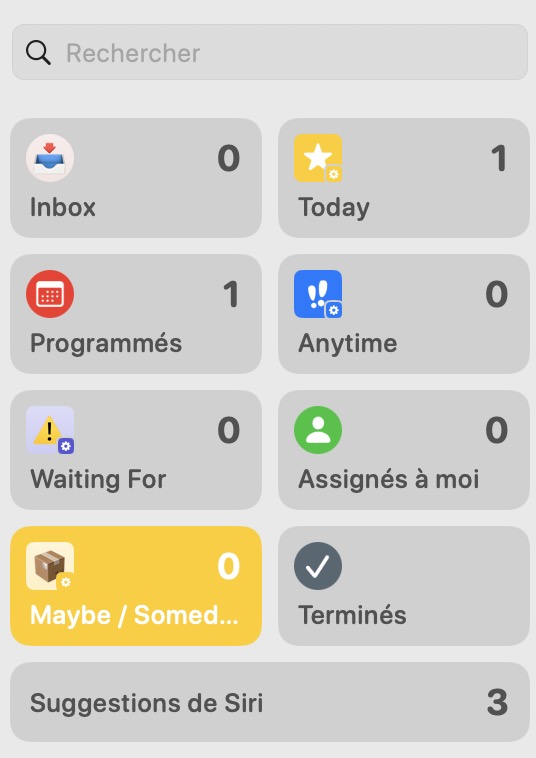
Things 3 default lists
Reminders 7.0 mix of default and smart (those with small gears) lists

Reminders (in a bit more details): Group (folder of Lists) -> Lists -> Sections -> Tasks -> Sub tasks. 

  • Only tasks and sub-tasks can have notes and URL.  In Reminders, you can also directly attach a photo, a file or scan a document. This is something still impossible to Things.
  • Only tasks and subtasks can be marked as completed. 
  • If a List is used to house a project, then you will need a “list info” task that can include notes and URL at the top if you want some context to your project. But such a task cannot sit at the very top of a List if Sections are used.  
  • Tasks and sub-tasks can be made to repeat.
  • A Completed Group could be created to house completed lists if lists are used as project containers. 
  • A task or a section cannot be converted to a list (or section to a task) from any menu options. 
  • You can assign a date (and a time), and also an early reminder date/time, a location reminder and even a reminder with using Message to tasks and subtasks.
  • Even better, you can enter a task in natural language and Reminders will recognize things like dates (either as specific dates or concepts like tomorrow, next week…) and so on automatically.
  • You can search through all tasks. 
  • You can create customizable Smart Lists based on **multiple conditions**, including tags, flag, dates, location …! This allows you to create key Lists like Anytime (to mimic Things) or the GTD list Waiting For, which still does not exist in Things (but you can filter with a “Waiting” tag). It also means that you can have tasks (and sub tasks) displayed in multiple lists! You can also pin any list at the top to customize you app (it will follow across all of your Apple devices).
  • Did I say location-based reminders (!) as well as reminders when writing (via Apple Messages app) to someone. In Things, the only way to do this is to set-up a personal automation in Shortcut and go over this process for each location. Kudos to Apple for their implementation in Reminders.
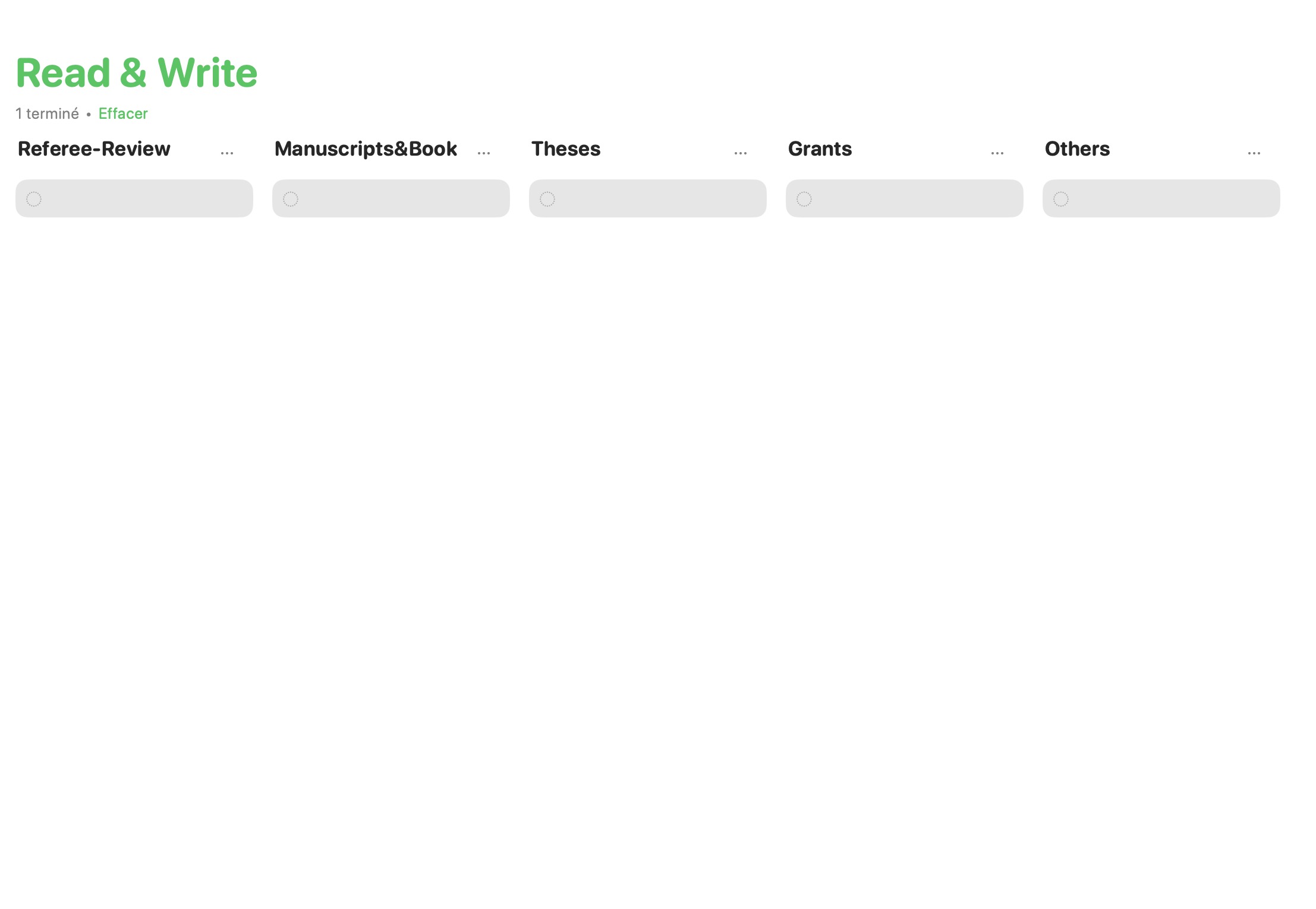
  • Allows for Kanban style (!) handling of tasks with the new column view. This is extremely useful for many things including what I call lists of never-ending tasks/projects (e.g. reading list, reviewing list, …) using Section as topics, tasks as projects and sub-tasks as tasks. Years ago, I developed something similar to extract information from Things SQLite database and this was pushed even further into KanbanView available in the Apple Store. Again, kudos to Apple for having this option in Reminders.
Column (Kanban) view of a List with Sections in Reminders
Things 3 Project with Headers

To learn a bit more have a look at this wonderful YouTube video by Peter Akkies that I discovered as I was ready to post: https://m.youtube.com/watch?v=nywKyvoLNPY

Clearly, this latest version of Reminders has a very interesting set of features, many beyond Things current options. But it also has a few interface quirks. 

  • The fact that it is not possible to easily transform a task to a project (List in Apple nomenclature) is one of them. 
  • Not being able to have URL and descriptive text for a List if used as Project holder is also a major drawback. 
  • When looking at tasks that can be done at anytime (i.e. Anytime List), in Things you see only the first task under a given project (with an option to see the rest). This really helps focusing when it is time to select what you will be working on today. In Reminders, you either have to collapse everything, and only see the project title, and expand and see everything. So if you have a large number of tasks and projects, this becomes extremely crowded and, let say, unproductive. 
  • Finally, not being able to check as completed a List makes the whole hierarchy less logical to use than Things or OmniFocus.

I must say that GUI-wise and ease of use, Things remains the best task manager out there. It has an extremely clean and sleek interface, making it very easy and fun to use (and look at). As a bonus, it is still available as pay once use “eternally” i.e. not a subscription model…at least for now (and new major versions happen only once every 5-6 years!).

In conclusion, if you have an Apple device, I think that you do not have any reason to pay for a task manager anymore. You already have everything you need available on your device out of the box. It offers enough features, even for the most demanding GTD followers, so it should easily satisfy the vast majority of users.

The power of the yearly review – a 2022 update

GTD methodology call of frequent review of projects and associated task lists. In fact, the whole system crumbles if this critical operation is not performed regularly; you need to trust that it contains everything in order to make the right decision at the right time with regard to which task(s) to take on at any given moment and not miss anything. This is the goal of the weekly review.

However to enable you to make these daily decisions that move you toward a larger goal, the latter needs to be established up front and also revised on a regular basis. Enter the yearly review!

While, you may want to review your short-term goal(s) on a more frequent basis, the yearly review is a time to perform a few key tasks, which you might want to incorporate into a yearly maintenance project that contains these as recurring tasks.

Reflect

  • Have my decisions/actions in the past year move me toward the longer-term goals I set for myself? 
  • Did I meet my short-term goals? 
  • Is there in missing actions that should be accomplished in the coming days/weeks to close some gaps? 

If so, it is time to get them all of your head and into your task manager (and do a bit of planning).

Plan

  • What is(are) my goal(s) for the coming year? 
  • Is the state of my system ready to tackle them: do I have all of the projects and next action items ready to launch me toward that (these) goal(s)?

If not, it is time to get them all of your head and into your task manager (and again do a bit of planning).

Do not forget, to put it all on the table, not just your work goals but also family and personal. Talking about productivity makes only sense if you tackle it from a holistic perspective. Otherwise, you are might just a busy person.

Review your long-term goals

Now is also a good time to review what GTD refers to as “the higher altitudes views”: 5, 10, 20 years and lifetime goals. These will strongly influence your early goal(s).

Tidy-up

At this juncture, you should:

  • Archive completed projects (ideally along related e-mails if applicable) and get them out of your ongoing projects materials (either digital or physical). 
  • Review all remaining projects and make sure they still correspond to your need and have next action items ready.
  • Get any last-minute ideas, projects or tasks out of your head. 
  • Ask yourself if your system is still serving your planning and documentation need adequately. This is a good time to make small adjustment (or large adjustment if it cannot keep up with demands) to your system.

With everything out of your mind and into paper or in your digital task manager, you are ready to spend a relaxing, worry free break. Not only will you feel better when you come back to work but new ideas will pop up and generally productivity is increased!

How much time is needed?

I systematically reserved two days before leaving for the Xmas break every year to perform the above tasks. Depending on how things went in the previous year, it could be more than enough to complete everything. Milage will vary, so you should give yourself enough time. The timing of it is totally up to you, for me the break at the end of the calendar year suits me perfectly. It is the motion of going through the four major action items listed above that is the key to an efficient review.

The yearly review is an investment in yourself…and it will pay itself back easily as you start the new year.

This post is a timely refresh of a 2020 one!

*Image from http://www.publicdomainpictures.net 

GTD system and the weekly review: discover the Time and Attention podcast!

“Our goals can only be reached through a vehicle of a plan, in which we must fervently believe, and upon which we must vigorously act. There is no other route to success.”

Pablo Picasso

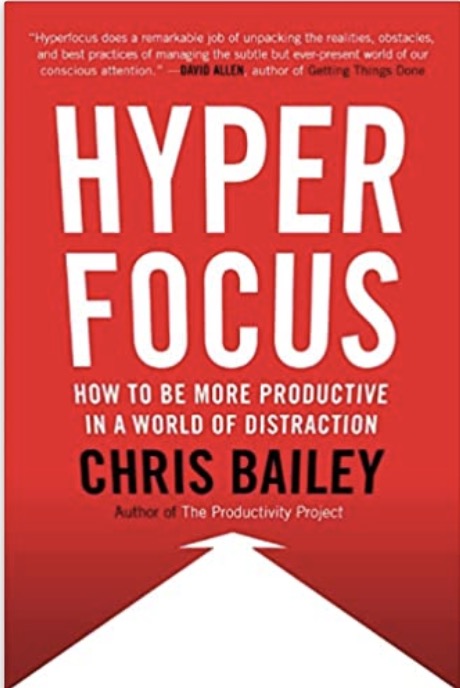
As the year is coming to a close, maybe you will wish for a better way to tackle work, family and personal projects in the next year. If you have never heard of GTD (aka Getting Things Done) yet, or have but still hesitating about diving in, I am inviting you to listen to two podcasts on Time and Attention from productivity expert (and fellow Canadian) Chris Bailey and co-host Ardyn Nordstrom (an academic like myself). Chris is the author of two wonderful books by the way: The Productivity Project and Hyper Focus.

While I have read the Productivity Project a few years ago and Hyper Focus last summer, I discovered Chris’s podcast only recently and still catching up on the past episodes. So far, I found the majority of them to be of interest and it covered a wide range of topics related to being a better human being (the original title of the podcast) and to get better at using your time and focusing your attention (new title!). I also loved Ardyn’s academic takes on these topics. Particularly appreciated one of the podcast in which Ardyn was arguing for the value of Overleaf, an online collaborative scientific writing tool for LaTex, that is used heavily by many research groups worldwide, including our own.

So two podcasts in particular are worthy of your time and attention within the context stated above: the GTD system and the weekly review.

The first podcast (episode 91) is a rerun of an interview with David Allen, the Yoda(!) of productivity, on the GTD method and how to get started. If listening to this 23 minutes episode resonates with you, have a look at Getting Things Done book afterward…

The second podcast (episode 89) is all about the weekly review: what is it, how it is done, when to do it, … in fact the weekly review is probably one of the key elements of a trusted system to help not only for work productivity but for projects in all spheres of your life. If you do have a task manager or uses task lists and you are not doing the weekly review, you will probably drop the ball at some point. This podcast runs for about 25 minutes. Even if, like me, you do have a recurring weekly review time-slot block in your agenda, it remains an excellent refresher.

The information provided above should get you going, should you want to implement or revised your system as a powerful (liberating might also be invoked) new year resolution. Have fun!

On COVID, anxiety and finding balance…

I must not fear. Fear is the mind-killer. Fear is the little-death that brings total obliteration. I will face my fear. I will permit it to pass over me and through me. And when it has gone past I will turn the inner eye to see its path. Where the fear has gone there will be nothing. Only I will remain.

Paul Atreides, Dune

It has been sometimes since I wrote on this blog. I am ready, it is now time to get it going again!

The COVID pandemic has hit us fast and hard. We had to very quickly move our teaching online and rethink some of our laboratory courses. As a university professor, I had to learn to teach to black boxes on Zoom screens (being sarcastic but…). While not everything in that experience was negative, it became quickly obvious that the non-verbal component of teaching in front of a class takes all of its meaning: the curious face one or many students make when some concepts do not really get through, the fidgeting on the chair, … all of these get lost for the most part in translation when moving teaching online. This was a lesson learned for us professors (and some more on how to get beyond this issue).

On the research side, while numerical projects were able to thrive, experimental research programs were closed for weeks and it took months before we were able to get to full speed again. Scientific meetings got canceled and then moved online. Mentoring as well as our weekly group meeting moved fully online for almost a year. Travel all but got down to a trickle. Because of that, I had graduate students that never started their program in the fall of 2020. I will not be shy to say that two years later I can still feel the effect of this pandemic. The only positive aspect was how much materials my graduate students had been collecting before the lockdown, enough for manuscripts that they have been putting off it (procrastinating on!) for a while.

Let’s be frank, the whole situation was quite unsettling and worrisome. For me the lockdown happens right after an electrophysiology procedure to solve my tachycardia episodes (had it for years but got quite worse in the last two years before this procedure). While it was not the dangerous kind of tachycardia, I developed anxiety behavior associated with it in the few months prior to the procedure. I got to admit that the COVID lockdown did not help in that regard, and anxiety change to panic attack in particular situations. Two years later, I am still learning to live my anxiety. If any of you have any kind of triggers for anxiety and panic attacks, I understand what you are going through and do seek out help. It works!

That being said, the lockdown also had benefits. I decided to direct the time saved from commuting to start a Couch to 5K program. Never looked back and still jogging (yeah I do not call myself a runner, I think I am just too slow!) 3 times a week. In the 18 months that followed, I lost almost 15 kg (and my BMI is now in a much better range!), got my resting heart rate around 60 bpm and lower my blood pressure medication that I got two years before to the minimum available on the market and to the point that I could possibly get without it (maybe when I get rid of those last 2-3 kg to get back to my younger self!) I used Apple Fitness+ plus to start meditating and took advantage of the mindfulness trigger on my Apple Watch to introduce deep breathing moments throughout the day. I have to say, all of the above further help in decreasing anxiety and bring your mind to a much more calm (and also creative) state!

I must admit that I got hooked on my morning jog, to the point that to this day, I still miss the time when we could skip the morning commute to work: up, jog, shower, eat, deep breathing and start the day’s work by the same time I would get to work after commute. I was also able to institute a clear cut-off at the end of the day (OK mostly a clear one, but I used to never disconnect at all before the pandemic) . Wow, my evenings became so much more relaxing than my old routine.

Overall, this got me rethinking about work-life balance. When the pandemic started, I spent less hours/week working but I did not do less. In fact, I found out I was doing more. However, the unimportant stuff got evacuated very quickly, and focus on the important work, personal and family stuff suddenly got very clear. The concept of busy vs productive takes all its meaning and productivity becomes much more holistic in nature.

Furthermore, I think that many of us became more attuned not only to our well-being and that of our family and friends, but also mindful of others, in particular to the students that we are guiding, mentoring. I had always in the past told students to disconnect once in a while, not come to the lab during certain periods, like at Xmas. But now I insist much more that they take their 4-week vacation every year, adapt to flexible schedules and working from home, and so on.

Reflecting on my work-life balance before and after March 2020, I came to the conclusion that bearing obvious major deadlines (like a grant proposal!), if I cannot fit everything I do at work in a 40h/week time frame, then there is something I am doing wrong, most likely I am doing too much unnecessary/unimportant stuff, stuff that is not moving my key projects forward.

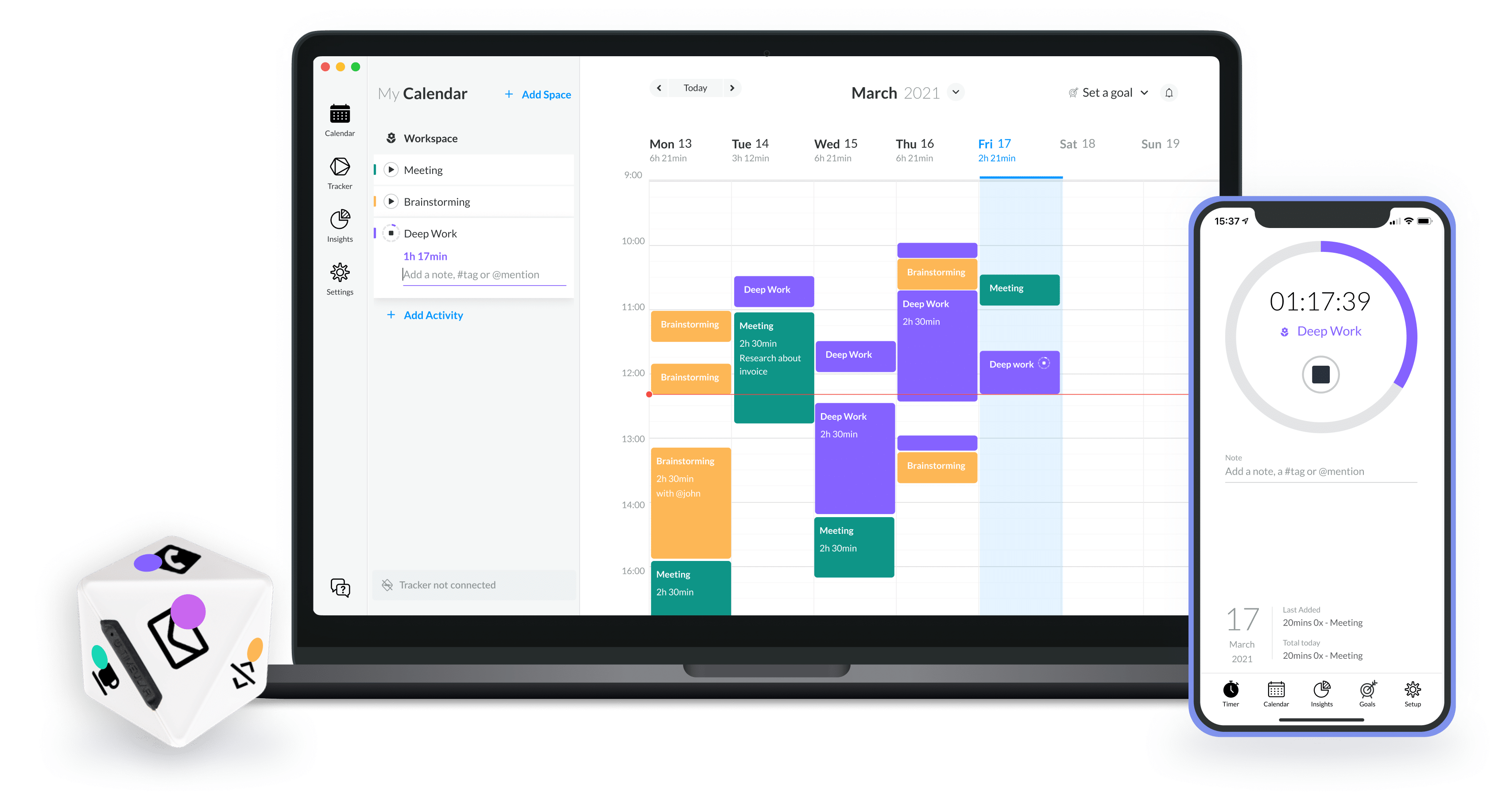
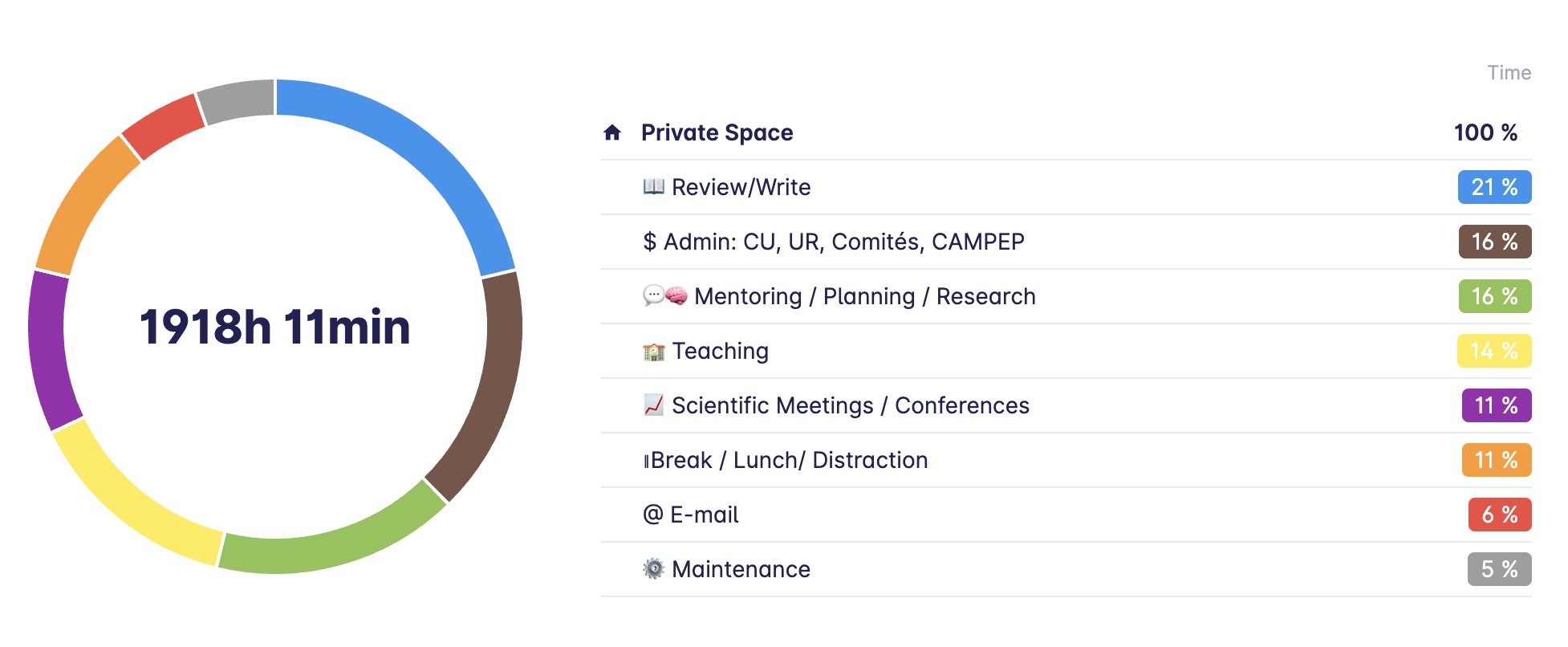
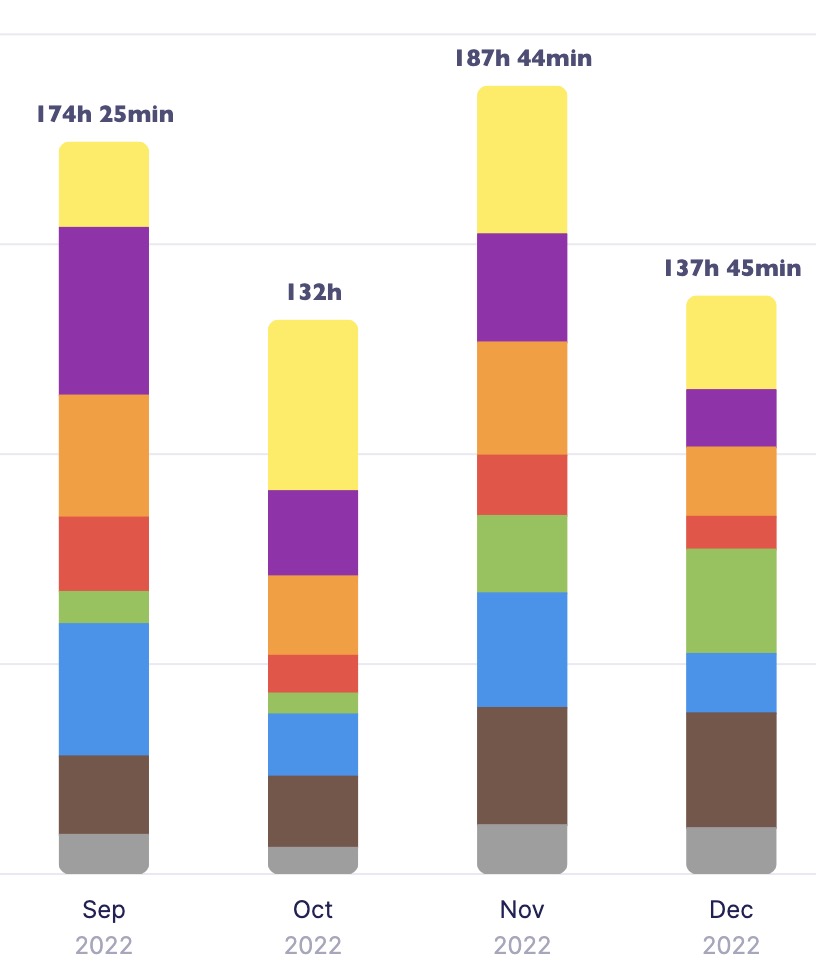
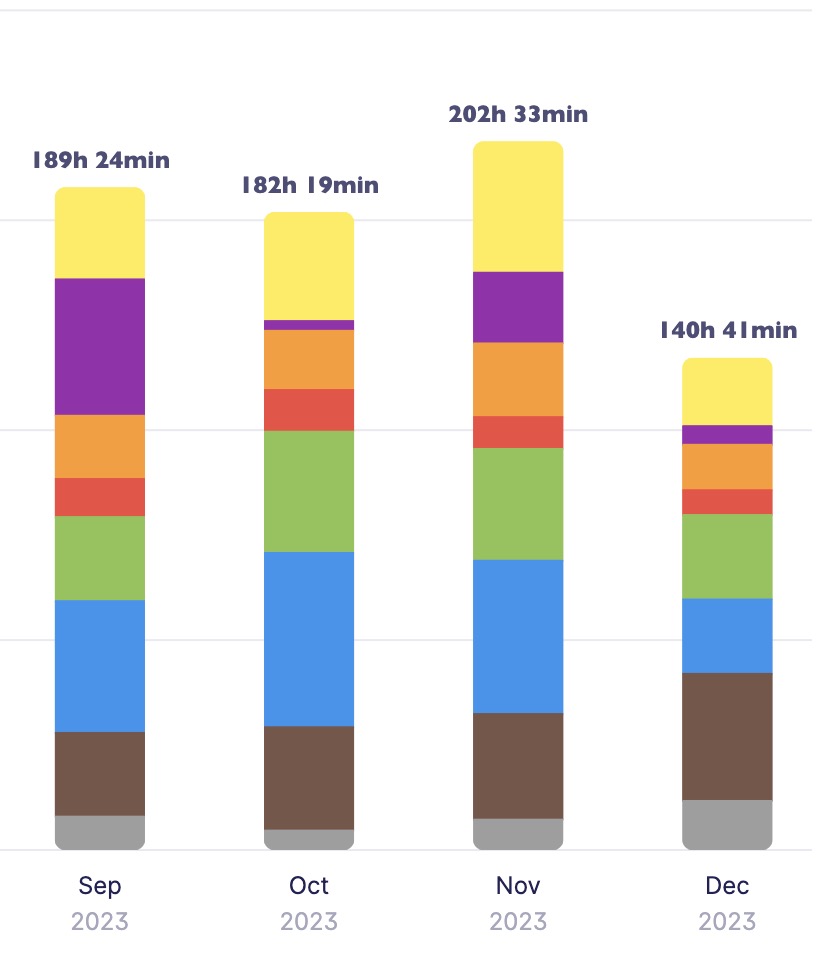
Coincidentally, I have started to track the time I spend on various activities (to take decision based on actual data), for example trying to get the time I spend on e-mail down to an acceptable level. But this will be for another post…

Schrödinger’s Thought Experiment Revisited

In Zoom meeting or teaching, Schrödinger’s participant is a thought experiment that illustrates an apparent paradox linked to meeting in virtual mode, where a participant is represented by a mute black square on the presenter’s computer screen. In that thought experiment, a hypothetical participant may be considered simultaneously both physically and mentally present and absent, a result which cannot be disentangled until the participant is observed i.e. camera and microphone are open. At that point, the quantum state of the participant crystallizes in the present or absent state.

Disclaimer: the following is a thought experiment and any resemblance to a real life situation is purely coincidental.

Credit: the image is from contactmapping.com.