An hour, 10$ and a smartphone = 175x digital microscope

This is a very nice weekend project either for yourself or with kids! As a bonus, this will let you performed digital capture (photo 😉 ) of your observations at no extra cost (other than assuming you do have a smartphone with an integrated camera)

Instructions from PetaPixel (video) and Instructables (step by step).


What is going on at Mekentosj with Papers 3?

Having a PDF management system, which allows in-app citation (e.g. WORD, Pages, Mellel, …), is a necessity for scientists and researchers. On OSX, we have the chance of having the choice between extremely well-design and efficient applications such as Sente, Mendeley and yes, Papers (there are of course free options, as always it depends how much time you want to spend working with your tools relative to working on your tools!).

 In the past I have used Endnote, Zotero, Sente and finally settled for Papers starting at version 2.0.8 for its extremely well thought-of citation mechanisms, PF editing options and nice interface. A review is available here in the e-office series.

Zoom to the latest version (still a beta) of Papers. Yes the interface changed quite a lot, both on OSX and iOS. Mekentosj seems to have adopted the design element of iOS 7 as a reference across the board. Quite frankly, the only thing I do not like in iOS 7 is the color scheme used for certain icons. Otherwise, I like it very much: it is clean, simple, introduced great new stuffs and does not get in the way. 

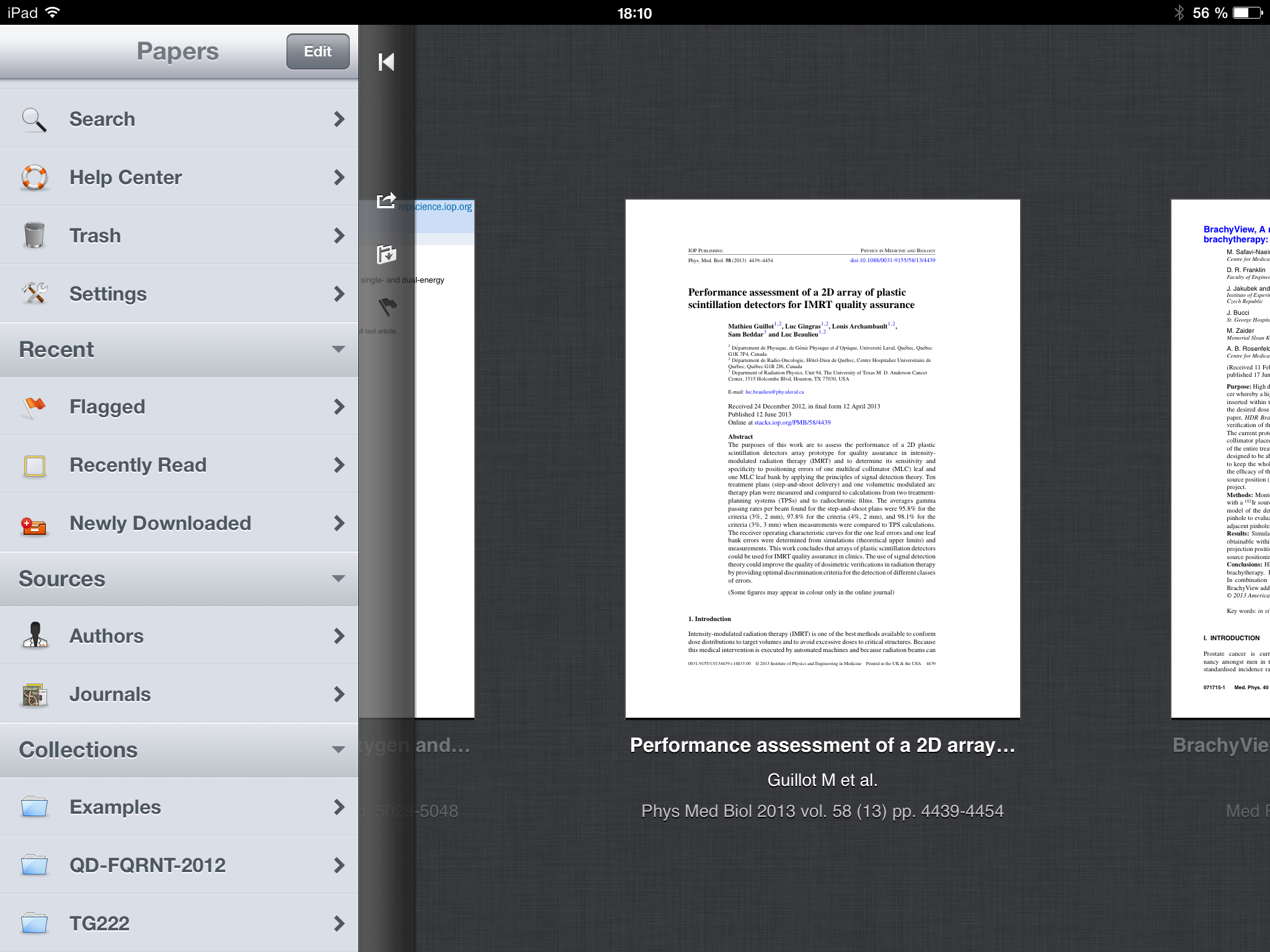
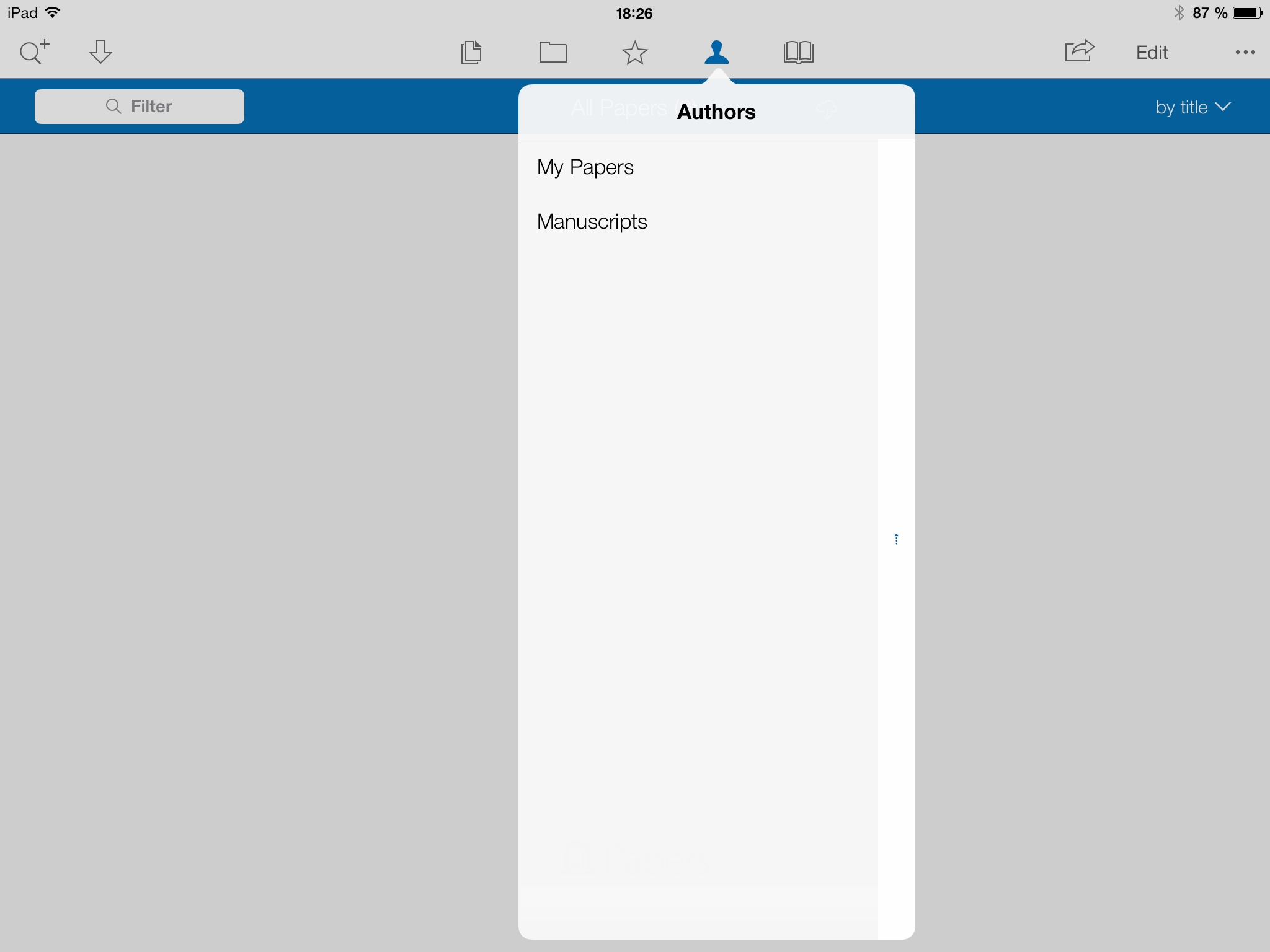
Below are the screen captures for iOS version of Papers and Papers3. 
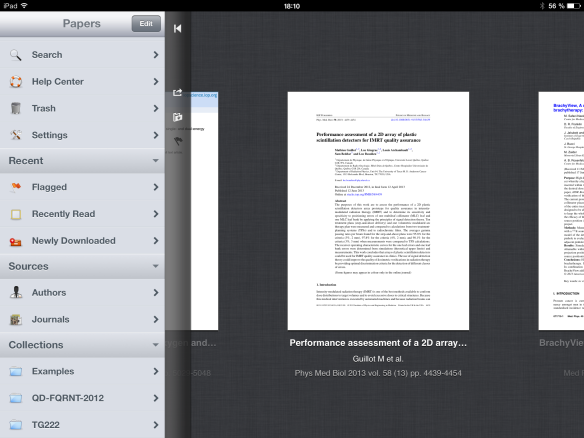
Papers-iOS

Papers3-iOS

So, you say great this guy love Papers 3. Not at all. Design change you can get use to it (assuming it is for the better) but key missing feature is a problem.

Papers 3 allow syncing via DropBox or import/export of the whole library…Gone is the great WiFi sync of the previous version. Why it is this important? My library is large, closing in 5 Gb. I do not want to put that on DropBox (or on any servers for that matter) nor do I need to have all of that in the Cloud. The DropxBox options look interesting for a small library but for large libraries I am not convince and I feel it is unnecessary to pay for cloud storage space to store my library (this is why I do not like Mendeley for example). Even my library at close to 5 Gb is not that large and only contains over 4000 entries.

When I ask Mekentosj about it, I received the following from the support staff:

Hi there

Thank you for your feedback regarding this. I’m afraid that Dropbox is the only solution at the moment. However, we hope to include a possibility to sync via Wi-Fi in some point as well. However, depending on the technical aspects and Papers release cycle, it’s hard to know yet when that’s going to happen, so please be patient

So it might or might not happen in the future. For now, I would think that this is a big deal for users with large libraries. I reverted back to Papers2 like a number of my colleagues.

Overall, very disappointing first contact with Papers 3


NOTE: Academic workflow on Mac also has a coverage of Papers 3 which describes other important issues
OSX 10.9 (Mavericks) is available and free!

Wired is running an interesting piece about the latest operating system from Apple. In part past, Apple provided free or very low cost upgrade for its “minor” version of OSX but paying upgrade for significant new version. 10.9 is a significant upgrade but will be free: Apple Just Ended the Era of Paid Operating Systems | Wired Business | Wired.com.

In a related news, iWork (Numbers, Keynote and Page) will be free with each new Apple computing devices, Mac or iDevices! Office productivity and MS Office compatibility out of the box. That should be interesting…

Big Data, Scarce Data: Which One Fits Medicine?

IMG_1139

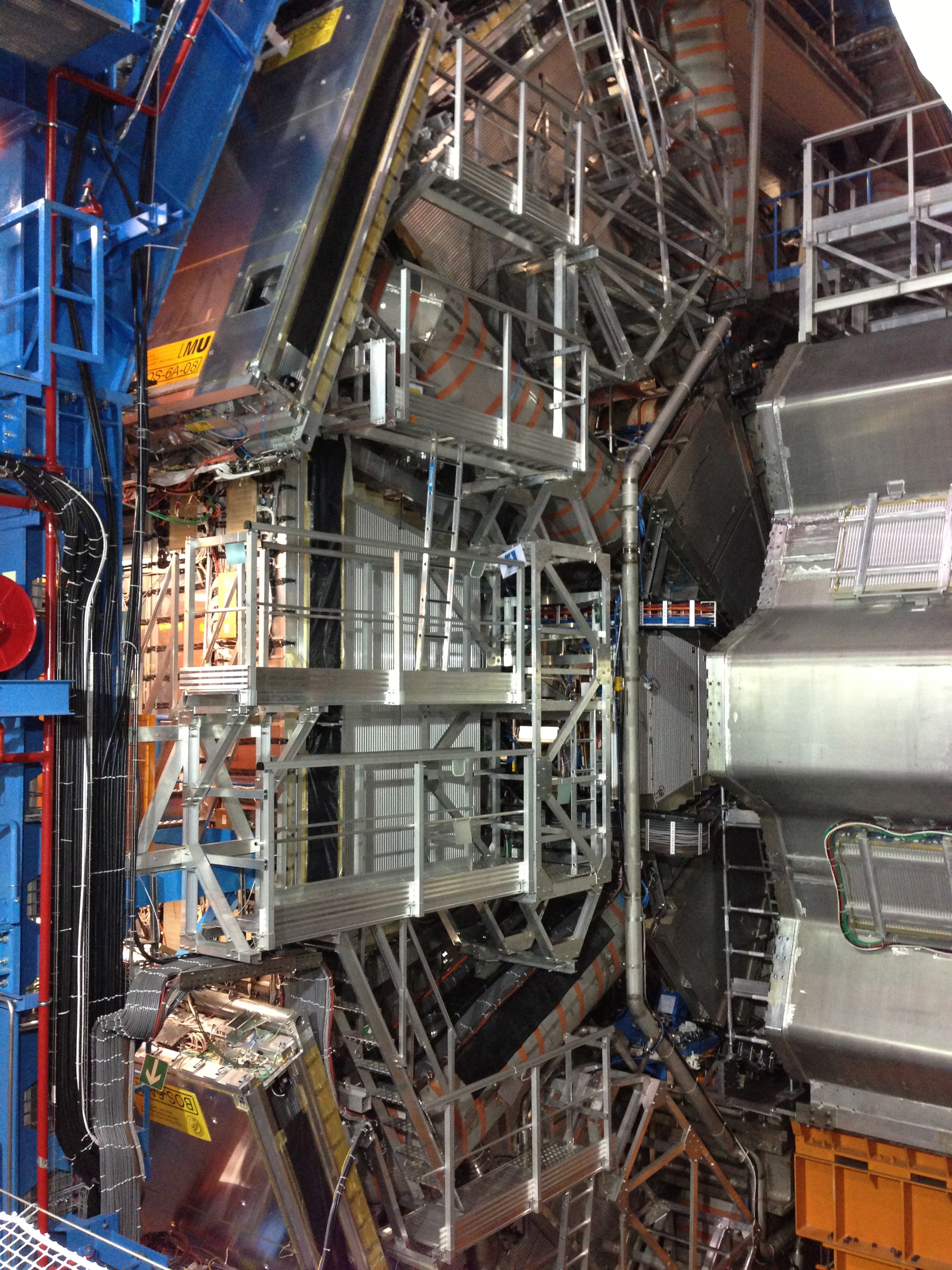
While visiting CERN last spring, there was a catch phrase used during the visit that stick in my mind. For the ATLAS detector, at the heart of one of the 4 main experiments at CERN and also one of the experiment that found experimental evidence for the Higgs boson (or a Higgs boson…), the interesting data were the equivalent of a 100 megapixels camera taking 400 photos per seconds (or maybe the other way around, but it does not change the shear scale of things)!

This amount of data is after all kinds of real-time software and hardware processing because the raw data during normal operation (read beam on condition) is close to 1 PetaBytes/sec (MB, GB=1000MB, TB=1000GB and finally PB=1000TB)…and this is only for ATLAS. In fact everything about the Large Hadron Collider (LHC) is big, from cost, to equipment, to human resources and data generated. Nature had an interesting article about how the data are handle and distributed worldwide among the collaborators.

IMG_1150

Now what about medicine? We hear a lot about big data in biological sciences and medicine. The main problem, at least in medicine in my opinion, is not that there is too much data for the researchers and physicians but rather the other way around. Database for clinical trials conducted at various levels (from internal trials at individual hospitals to more global trials) are not all, or at all(!), compatible with each other. Furthermore, numerous database tends to be incomplete not by design but simply from the difficulty of filling and ensuring data integrity. While big data also sounds great for personalize medicine, personalize medicine by definition means low numbers of very specific medical conditions. Overall, we are unfortunately at this point in time in a scarce data mode.

The next big step for big data in medicine is a revolution with regards to database management, sharing and analysis. And yes personalize medicine will likely mean bigger research consortium and more sharing of data. There is a lot to learn from the particle physics community and initiative like the LHC. I do hope that those big data grant programs we are seeing in our country is to address that in priority. Until then, we will remain with incomplete or scarce data in medicine.

Apple A7 chip and iOS 7 thorough reviews available…

For those of you following the tech world, in particular computers, the announcement of the A7 64 bits SoC probably got a WOW out of you. It did for me. To me screen size, phone shape and the same has nothing to do with innovation. The issue of 4″ vs. 4.5″ vs. 5″ screens is like preferring a 13″ vs. 15″ vs. 17″ notebook or a 50″ vs. 65″ TV set. However, screen technology providing rendering image, resolution, contrast, color delivery (gamma, …), lower power consumption and the combination of all of them and more that is innovation. The same for custom, optimized and powerful SoC chips that drive these micro-computer… errr smartphone.

Quite frankly looking back at computing since the Z80, TRS-80 and commodore when I started on my first computers, the power packed in commercially available device of such as small format as the iPhone 5S, fitting in one’s pocket and working for hours before recharge, is absolutely amazing. In addition it delivered to the general public a 64 bits platform along with the OS and numerous apps (all of Apple apps on the iPhone 5S have been recompile in 64 bits). It might not register as a big deal to most phone users but it is from a technological standpoint. Also interesting that ARM was joint venture between Apple and two other companies in part to produce power efficient chips for the Newton, such a long time ago it seems.

A very interesting review, with benchmarks, can be accessed at AnandTech. We will certainly know more when someone actually get a layout of the chip (from high-res X-ray), but still very interesting. The review also look at the integrated camera and fingerprint system. Another interesting read is Daring Fireball takes on 5S new technologies.

Today was also the public release day for iOS 7 (like it or not!). Ars Technica published an in-depth-review.

Good reading 😉