How much time does it really take?

To present a scientific subject in an attractive and stimulating manner is an artistic task, similar to that of a novelist or even a dramatic writer. The same holds for writing textbooks.
– Max Born

When a graduate student come to me with the big news that its abstract has been selected for an oral presentation, my first reaction is a big congratulations and the second is to already set a deadline for a first version of the talk. Because of the abstract, you already know the content, what needs to be presented. But crafting an effective 7, 8 or 10 minutes presentation is a complete new game.
Continue reading
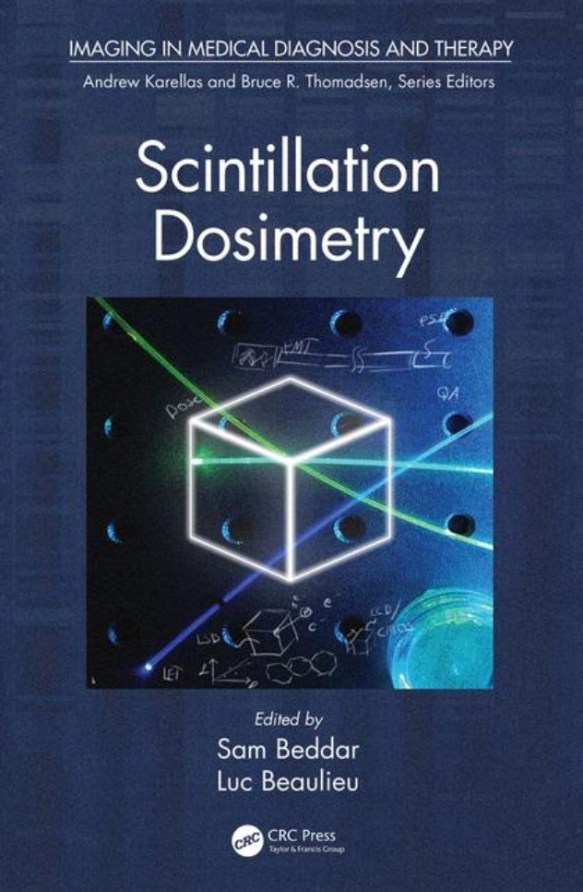
Scintillation Dosimetry Book is now available!

It has been a few years in the making (from the first conceptual idea to publication) but the baby has been delivered and is now available at CRC Press.


K21616_Cover

Cool 😉

To “Google Scholar” or not…

The reality is simple, even if you do not want it, as a researcher you are something of a public figure. You are probably using public funds to do your research, you most probably train peoples (from undergrads to research assistants) and, sometimes, more than you think actually, you will be googled.

For all kinds of reasons you might not want to tell the world openly what kind of research you are doing (which is actually a shame) or even keep people for knowing your “at bat” scores (e.g. is your work actually being cited at all). Let me tell you a secret, unless you have never published anything, Google Scholar will find you… even if you do not want to.

So do not be shy and make your Google Scholar page public!

The new lazy: non-field specific meeting and journal invitations

We came across your contribution entitled <name of your paper here> published in <journal name here> and thought your expertise would be an excellent fit for <name of this unrelated – to your specialty – congress>.

We invite you as speaker at <full name of congress with dates>.

It is becoming a new form of either spamming or phishing (I still haven’t decided yet) or actually maybe a combination of both, especially that most seem to come from meeting organizers on topics that are completely unrelated to my field of expertise for the said meeting. I now received 7-10 of such invitations per week.

Continue reading

An interesting resource for PhDs, postdocs and early career researchers

I recently came across the following document by Professor Alan M Johnson, which appears to be distributed freely by Elsevier and entitled “Charting a Course for a Successful Research Career: A Guide for Early Career Researchers – 2nd edition“.

Continue reading

How many citations are actually a lot of citations?

In a previous blog post, I suggested to my younger colleagues that while they should not care so much about the impact factor of the journals they published in (as long as these journals are well-read in their respective fields of research), they should care quite a lot about these papers being cited, and cited by others not self-cited!

A few months ago, I was listening to the introductory talk of for a prestigious award from our national organization when one statement hit me: a physicist with 2000 or more citations is part of the 1% most cited physicists worldwide. There might have been a bit more to that statement but let’s work with it.

Continue reading