I realized it has been sometime since the last post (over a month in fact). Well during that time, I traveled over 50 000 kilometers. That is right, it is more than the equivalent of a long trip across the globe at the level of the equator (25% more in fact!). Before getting into the details, let me step back and explain where this is coming from.
Research is viewed as a competitive venture. At each point you have to prove yourself, your ideas and projects. Most of the time, this is done via reviews by your peers and, sometimes, justification to your administrators!
- Granting agencies run “competitive” funding programs in which your project or program get to be peer-reviewed, scored and financed or rejected (with various levels of feedback).
- Manuscripts are peer-reviewed, sometimes going through multiple rounds before they get published (or rejected).
- Conference abstracts / papers are peer-reviewed before being accepted at the various scientific meetings, either as oral presentations (the minority) or posters.
- Getting the best students is a competition between you and your colleagues in your department.
- Getting promoted to associate and full professor is also in itself a competitive process involving a review process.
If you ask, most researchers will tell you that the grant part is the tough one, takes a lot of time and for most program is met with relatively low success rates (quite often below 20% or 1 grant written in 5 (or worst) being financed.
There are however perks in conducting a successful research project or program. The first one is the fun and excitement of being at the front-front of your field, driving it and as a side effect (for me and my students at least) getting to play with the latest technologies. The second one is certainly the trill of having young scientists progressing, graduating and applying their knowledge, know-how in industry, hospitals, teaching and so on. Conversely, having these persons to interact with, pushing you to discover new things (even when it is only tweeter or Facebook. Yeah sometimes it does feel like I am old!). The other category are being accepted for presentations at meetings and getting to go. This tends to be a big thing for students… but also for the supervisor.
Presenting at a scientific meeting is the reward for having spent extra hours in the lab or in front of a computer to validate this experiment or that specific result. It also provide a new level of stress, that of presenting your new result or idea in front of an audience of specialists and survive! The bonus here is that you get to refine you message afterward, do a few more measurements or simulations. The likelihood that someone in that room (if you are going to a key meeting) will be a reviewer on the ensuing manuscript is quite high in the end.
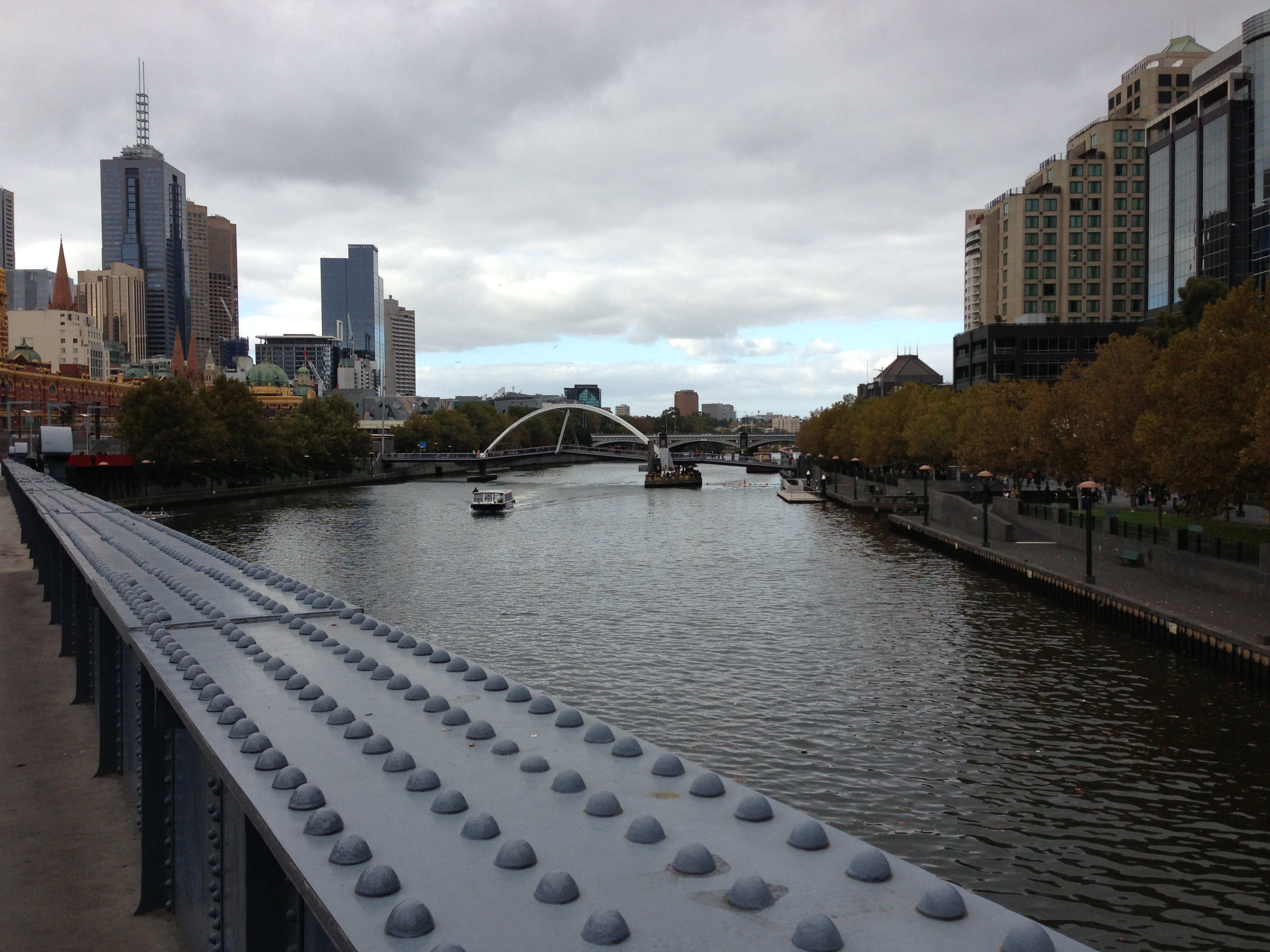
In the past months, I have had the chance to present our works in New Orleans (USA), Geneva (Europe), Melbourne (Australia) and finally, Philadelphia (USA). Some of these were invited talks i.e. my peers across the globe finding works we have done interesting and cutting-edge enough to have me as invited speaker or plenary speaker at their meetings. I take this last form of scientific dissemination of works as a pat in the back, an open congratulation that we did something good, exciting and useful in our field.
Notice, I used the “we” in the previous paragraph and not “I.” This is because in these presentations I never forget that getting from an initial idea to the final result involve numerous iterations and works of many, especially students, postdoc and colleagues depending of the type of projects.
So this is what happen since my last post. I also had the chance to visit CERN while in Geneva. So look-out for the dedicated blog post on “big science.” I am leaving you with a few travel pictures. One does not do some many kilometers without taking one or two days off to look around – another perk of the job 😉


Left to right (click on each to get the full resolution): Geneva, ATLAS detector at CERN and a view from Gruyère medieval castle.


Left to right: Melbourne river-view, Graffiti alley, the 12 Apostles on the Great Ocean Road by mid-afternoon.